Soft Robotic Actuators with Dragon Skin™ and Iron Powder
Prototyping low-cost artificial muscles for soft robotics applications at Oberlin College.

Project Overview
This research focused on designing and fabricating soft robotic actuators using DragonSkin™ silicone infused with iron powder. Conducted as part of the Oberlin College Research Fellowship (June–July 2023), the project aimed to create muscle-like structures capable of contraction and expansion via magnetic forces. Through 25+ iterations across 5+ designs, we demonstrated the viability of low-cost, and possible use of flexible actuators for safe human-robot interaction.
Materials and Methodology
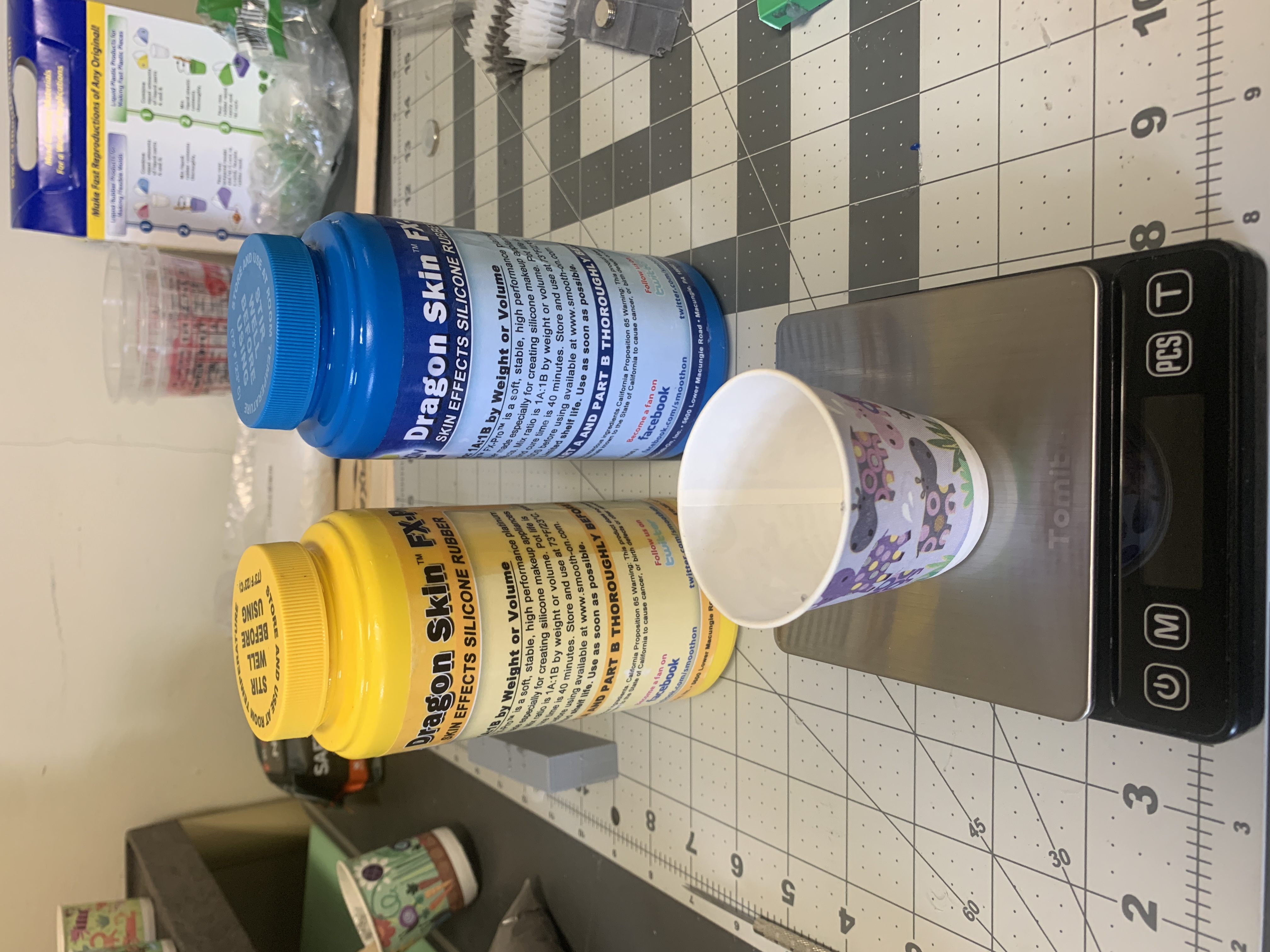
- Materials: DragonSkin™ silicone, iron powder (40 mesh), PLA/TPU for 3D-printed molds, magnet wire (30 AWG).
- Process:
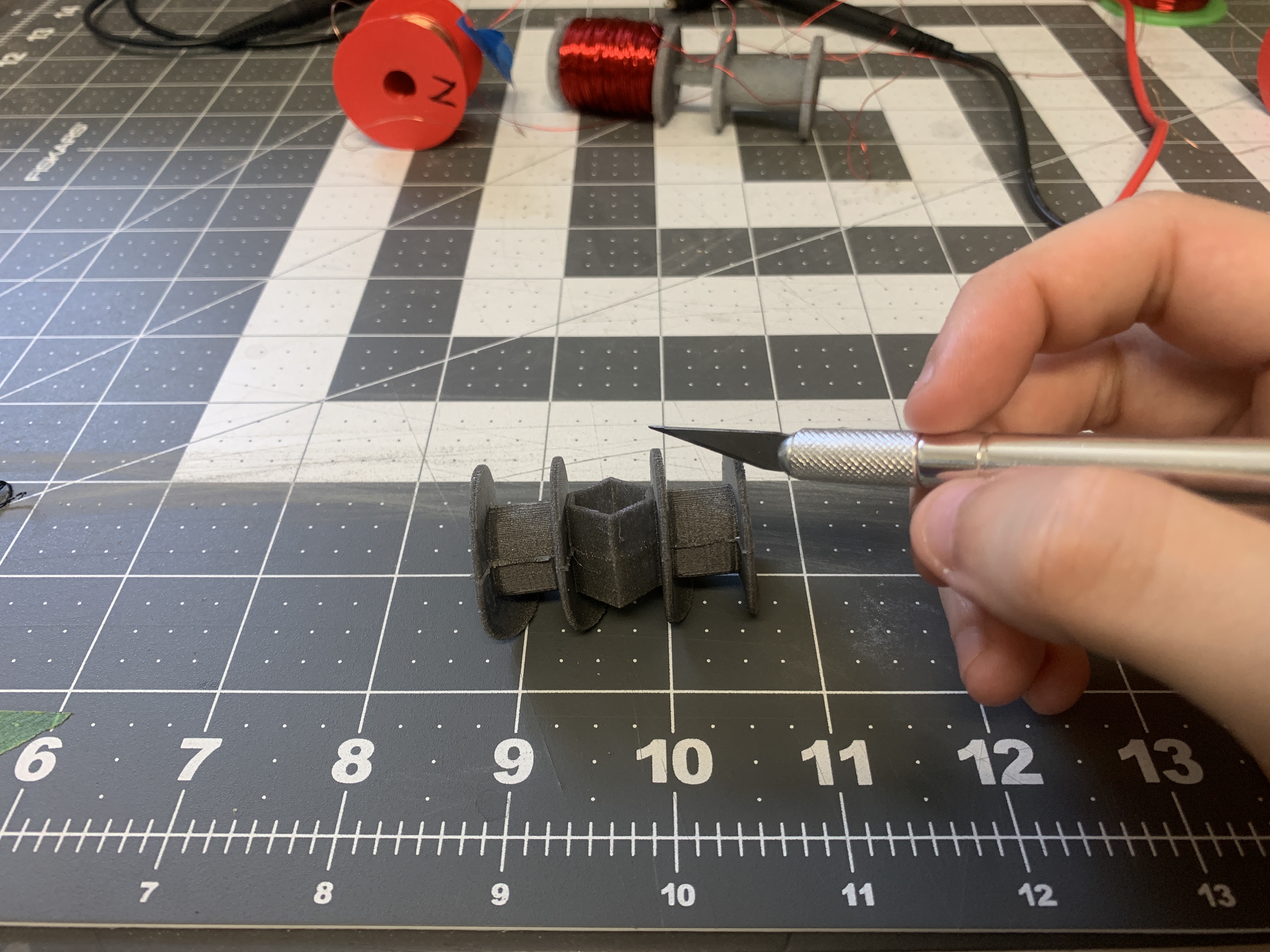
- Designed muscle-inspired structures (1”–3” size range) using CAD software.
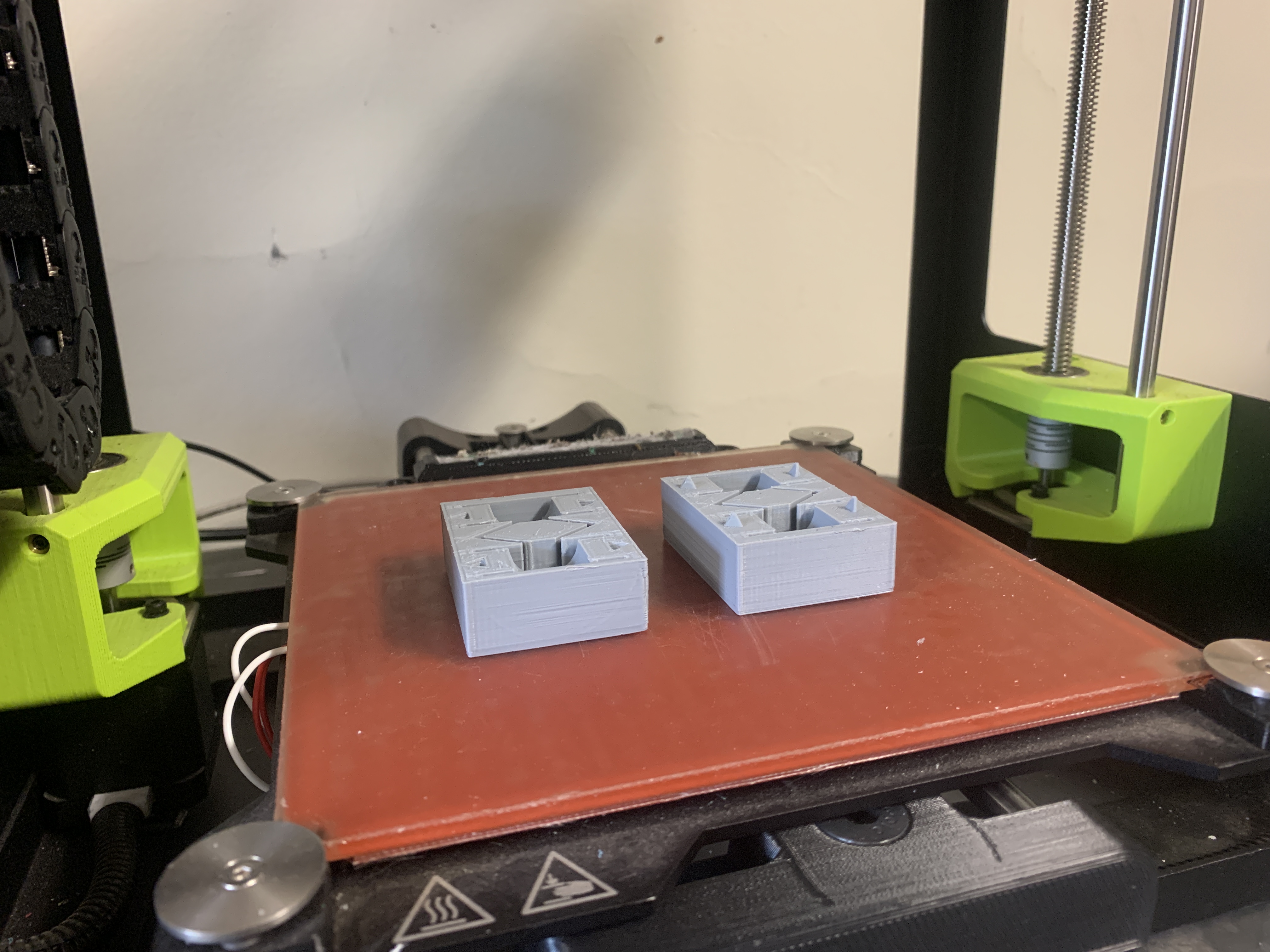
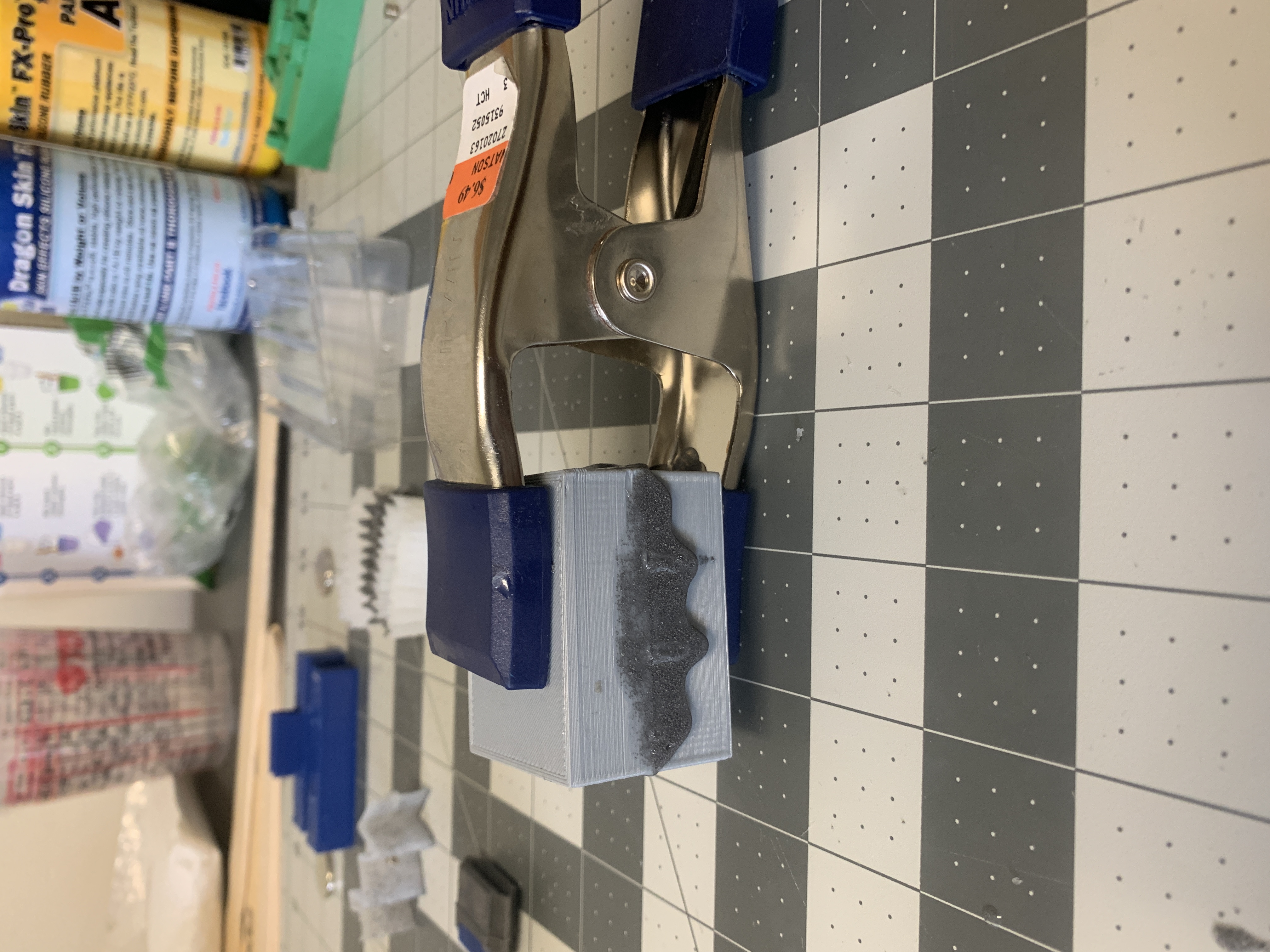
- 3D-printed molds with PLA, then cast silicone-iron mixtures.
- Tested magnetic responsiveness under varying current and iron powder concentrations.
- Evaluated performance through force measurements and structural flexibility.
Results and Findings

- Solenoid Success: Solenoids with iron powder generated sufficient magnetic force (9 µT), while capacitor-based actuators failed to move structures. Surprisingly, pure silicone actuators generated stronger magnetic responses compared to prototypes with <1:1 silicone-to-iron powder ratios.
- Material Performance: DragonSkin™ cured slower than TPU but offered superior flexibility. TPU’s stiffness caused 3D printer clogs.
- Design Limitations: Smaller prototypes (<1”) showed inconsistent actuation; optimal performance occurred at 2–3” scales.
- Cost Analysis: Silicone-iron molds reduced material expenses by 1/3, validating the hypothesis of low-cost production.
- Future Steps: While immediate real-world applications for these prototypes remain unclear, this research served as a valuable introduction to soft robotics. Future exploration of different designs with silicone, TPU, and permanent magnets is planned.
Presentation
Presented at Oberlin College Research Fellowship (Summer 2023).